Jewelry Mold Cloning Crisis, Part 2: Reverse Knockoffs? Up-Faking?
October 12, 2026
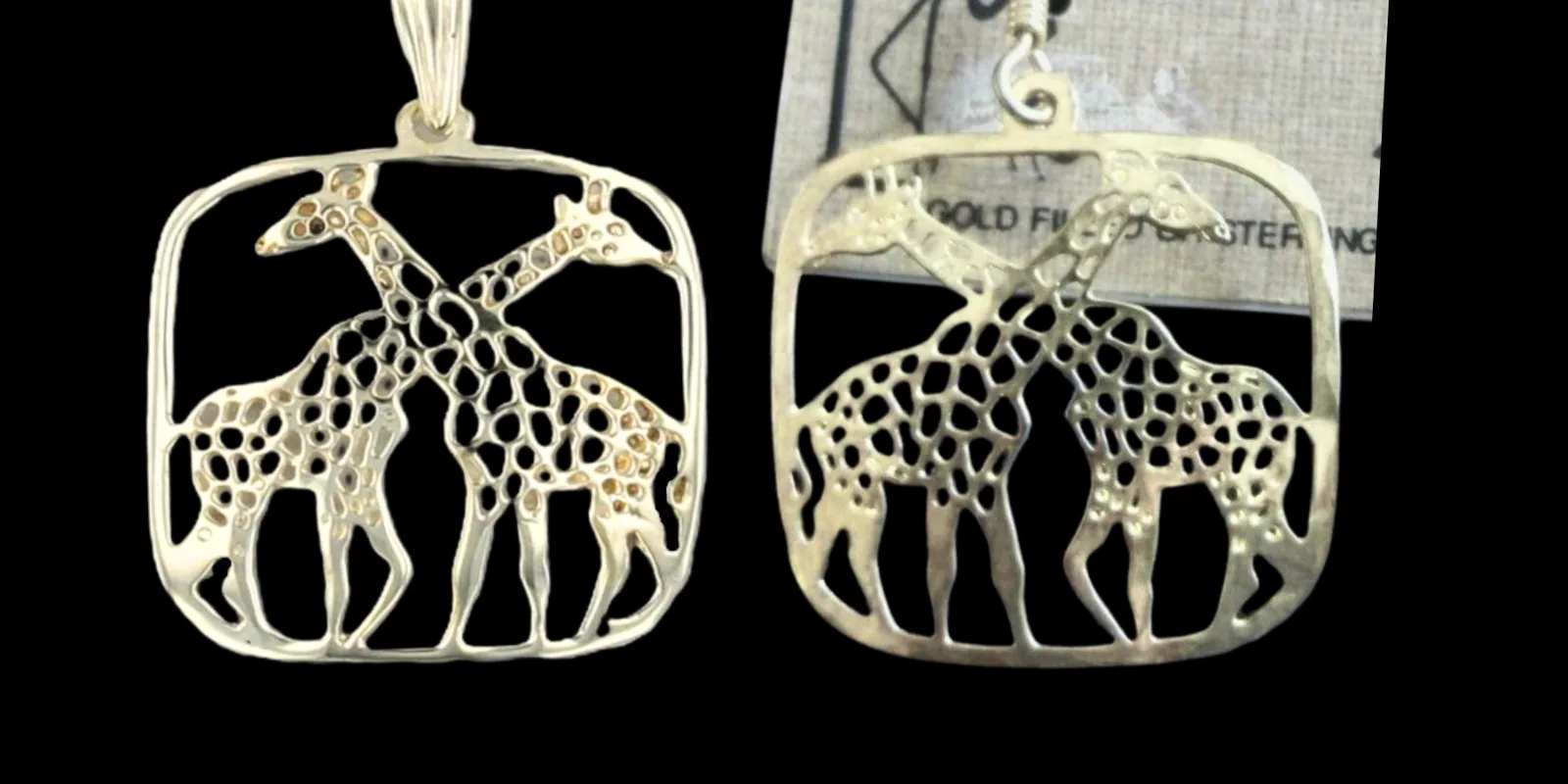
Another uncanny Wild Bryde lookalike recently came across my screen, in fact SO uncanny... as I looked closer, it became clear it was a knockoff, molded copy. Fascinatingly, though, this one was cast in 14k gold and selling for almost $600 - approximately 24x the current pricing of the real earrings. What is going on here?
Quick Recap: The 1990s RTV Silicone Crisis
In Part 1 of this post, I explained how the arrival of Room Temperature Vulcanizing (RTV) liquid silicone in the 1990s caused widespread disruption across the artisan jewelry trade, through rampant counterfeiting that would previously have been unfeasible and uneconomical.
To summarize: Unlike traditional natural (vulcanized) rubber, which shrank by 2% to 4% and required highly expensive hydraulic machinery, liquid RTV could be mixed on a standard wooden workbench and cured with zero shrinkage. Rogue manufacturers could buy an original artist's finished retail piece, pour cold silicone directly over it, and spin-cast mathematically identical 1:1 duplicates overnight without altering or crushing the delicate master. While most 1990s cloning operations used this trick to pump out cheap base metals and pewter (as in my previous post, some bolder copycats took the technology straight to the luxury market, and continue to do so today.
The Anatomy of a High-End Clone
When a counterfeiter decides to clone an independent design in solid 14K yellow gold, the stakes change. They are no longer targeting the casual flea-market gift rack; they are targeting fine jewelry buyers. However, because the production methods are fundamentally different, the metal always tells the truth if you look closely.
How Can You Tell?
This design appeared early in Wild Bryde's run, sometime between the late 1980s and early 1990s. It appeared both as earrings as in their classic and still popular bracelet.
From Flat Sheet to "Plump" Castings
Authentic Wild Bryde relies on chemical photo-etching out of thin, uniform brass sheet stock. The etching bath eats straight down through the metal, leaving razor-sharp, vertical 90-degree internal edges. The metal is planished and somewhat faceted with sharp edges, and there are both surface and full-depth etching elements on the otherwise flat surface.
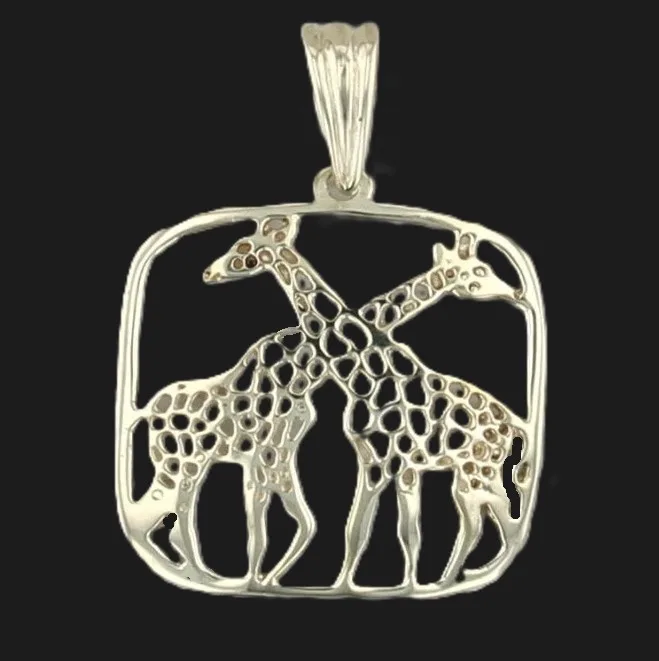
Look at the open cutouts around the giraffes in the gold pendant. The surfaces and internal borders are soft, subtly pillowed, and rounded. When liquid silicone cures around a master model, the mold can flex slightly during the subsequent wax injection process. This causes the final cast piece to look inflated or "plump" compared to the crisp, lean geometry of a genuine etched original.
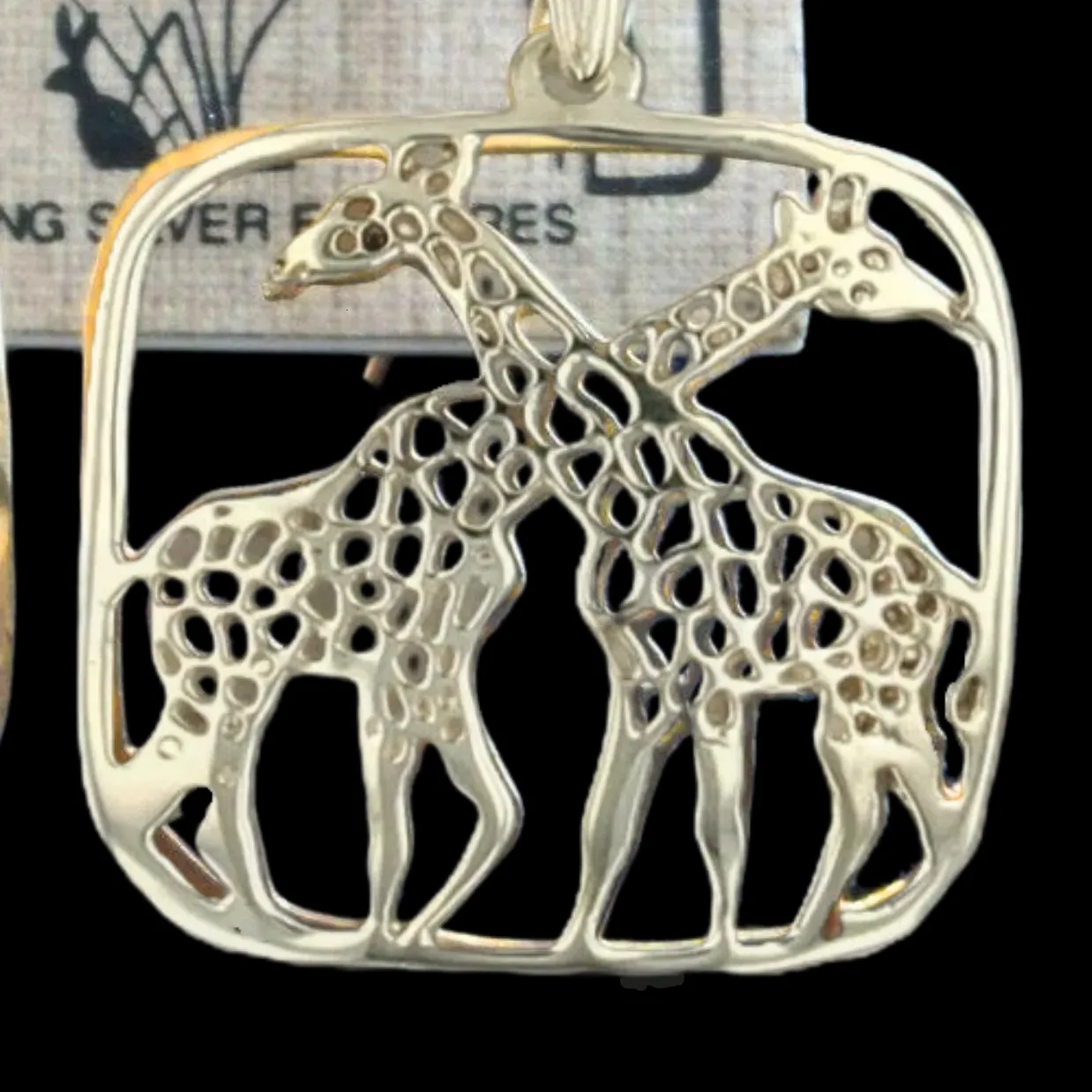
This clone appears to be from a right earring, based on the orientation of the spots on the front-most giraffe's neck - or they reversed the orientation during the casting process, which can happen when shortcuts are taken. It also appears they added some material around the ears to strengthen the connection there, as cast jewelry needs to have room for metal to flow through. Nonetheless, a comparison of the giraffe positioning and spots confirms this is a definite clone - see the overlaid image of the counterfeit atop the original, if you're unsure.
The Hallmark Cover-Up
When a bootlegger clones a piece, the original signature creates a problem. A flat, low-relief signature like Wild Bryde's hand-written maker's mark will often cast as a blurry, unreadable "ghost" image. To bypass legal scrutiny and prepare the clone for a fine jewelry market, the pirate had to manually scrub out the original studio ©WB symbol on all their pieces.
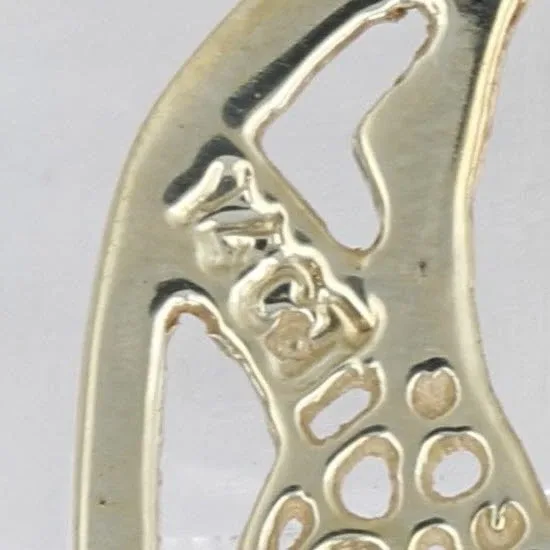
Look closely at the zone where the 14K stamp is located. The copycat roughly ground or smashed out the original Wild Bryde identifier on the physical model or the wax copy, then hand-stamped a generic "14CT" mark directly over the texture before casting it. While 14CT markings can be used for gold, it often betrays a maker's misunderstanding between gold (karats) and stones (carats). Not an indication of quality.
Choice of Technique
It's interesting to me that these modern knockoffs are still relying on RTV molds today, despite the availability of CAD/CAM, laser cutting machines and other ways to replicate or create new jewelry designs, arguably more reliably. It goes to show that no matter what else comes around, casting will always be a core piece of the bench jeweler's arsenal.
Historic Precedent: Trifari and the "Style Pirates"
While cold-cure RTV silicone made design theft effortless in the 1990s, jewelry houses have been fighting "style pirates" for nearly a century. The blueprint for legal defense was drawn up by the legendary costume jewelry giant Trifari. In the 1940s and early 1950s, copying rival brands was rampant. Companies like Trifari spent massive amounts of time and money filing individual design patents to protect their iconic pieces, such as Alfred Philippe's famous "Jelly Belly" and "Tutti, Frutti" lines.
Everything changed in 1955 with the landmark lawsuit Trifari, Krussman & Fishel, Inc. v. Charel Co.. Trifari sued Charel for copyright infringement over their "Bolero" range. Charel’s defense lawyers infamously argued that costume jewelry was merely "junk jewelry" and couldn't be legally protected as fine art.
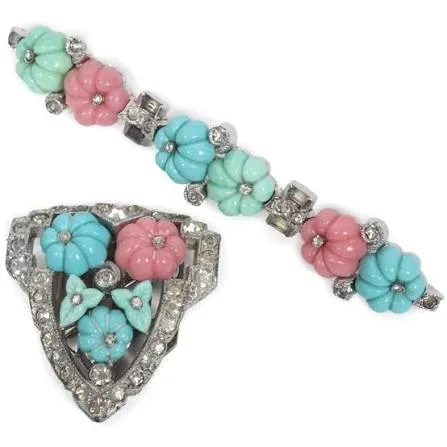
The judge firmly ruled in favor of Trifari, establishing the legal precedent that costume jewelry designs are true works of art entitled to full U.S. copyright protection. This historic victory caused the entire jewelry industry to instantly abandon the slow design patent process and switch to stamping the copyright symbol © onto their jewelry pieces, forever shifting the baseline rules of design piracy. By the time Wild Bryde came along in the early 1980s, this convention was well established.
What Does This Mean for Value? (Are They Worth Anything?)
Finding a vintage clone poses a confusing dilemma for collectors: Does an unauthorized counterfeit hold any real value?
The short answer is: It depends entirely on the metal.
- The 90s Base-Metal Clones: If you find a 90s clone cast in pewter, pot metal, or cheap brass plated to look like Wild Bryde, its collector value is essentially zero. It completely lacks the handcrafted artisan provenance of a true studio piece, has no raw material worth, and displays none of the signature planished textures that make original pieces catch the light.
- The 14K Gold Upmarket Clones: When a clone is cast in solid 14K gold, it possesses a strange, split identity. As a piece of artisan jewelry, I feel its historical and design value is ruined - it's ultimately an illegal reproduction that harms the original artist. However, as a tangible commodity, it still holds substantial melt value based purely on its weight in precious gold.
The Bottom Line for Collectors
At a $600 asking price, a cloned gold pendant is a very poor investment. You are paying a premium "fine jewelry" retail markup for a piece that has completely stolen its artistic identity and lost the sharp, beautiful geometric detail of the original etched design, and encouraging ongoing piracy of the firms pumping them out. As always, my advice is to find artists you love, and purchase directly whenever possible (if they're still in production). Otherwise, verify authenticity to avoid fueling the market in counterfeits.
If you stumble upon one of these gold clones in a thrift store or estate sale priced solely by its scrap weight, it remains an fascinating, tangible piece of jewelry trade history. Just remember: enjoy it for the gold, but look to the original artists for the true craftsmanship.