Counterfeit Jewelry – The 1990’s Mold Cloning Crisis
September 30, 2026
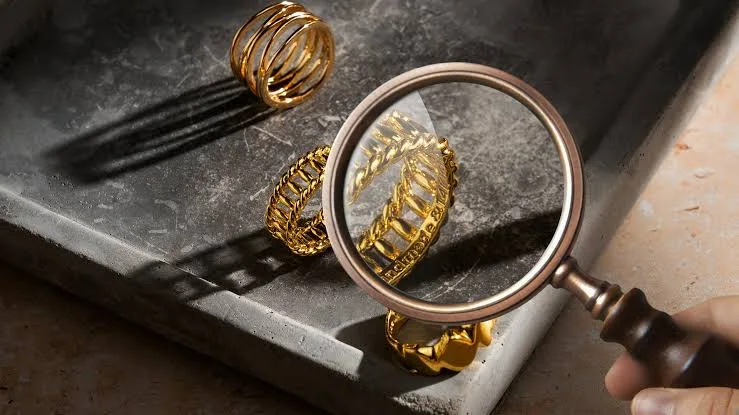
Think that vintage thrift find is a rare design variant? In the 1990s, the arrival of zero-shrinkage liquid silicone RTV allowed trade copycats to pour cold molds over authentic finished jewelry and flood the market with cast 1:1 clones overnight.
Counterfeit Jewelry – The 1990’s Mold Cloning Crisis
If you’ve spent any time hunting down vintage artisan jewelry, especially Wild Bryde, you know that spotting the subtle physical details of how a piece was made is half the fun (or is that just me?). But every once in a while, a listing pops up that makes you pause. It looks like a familiar design at first glance, but the edges are soft and rounded, it's thick, the texture is wrong, and the hallmark looks, well, off.
What you're actually looking at isn't a rare design variant. It’s a 1990s example of new technology causing immense disruption in the jewelry trade: direct mold cloning.
A Quick Look at Casting
To get why design piracy exploded in the 90s, you have to look at how molds were traditionally made at the bench:
- Ancient Lost-Wax Casting: For thousands of years, jewelers hand-carved wax models, encased them in plaster or sand, burned out the wax, and poured molten metal into the cavity. Molds were destroyed during burnout or breakout, meaning every single casting required a fresh hand-carved wax master.
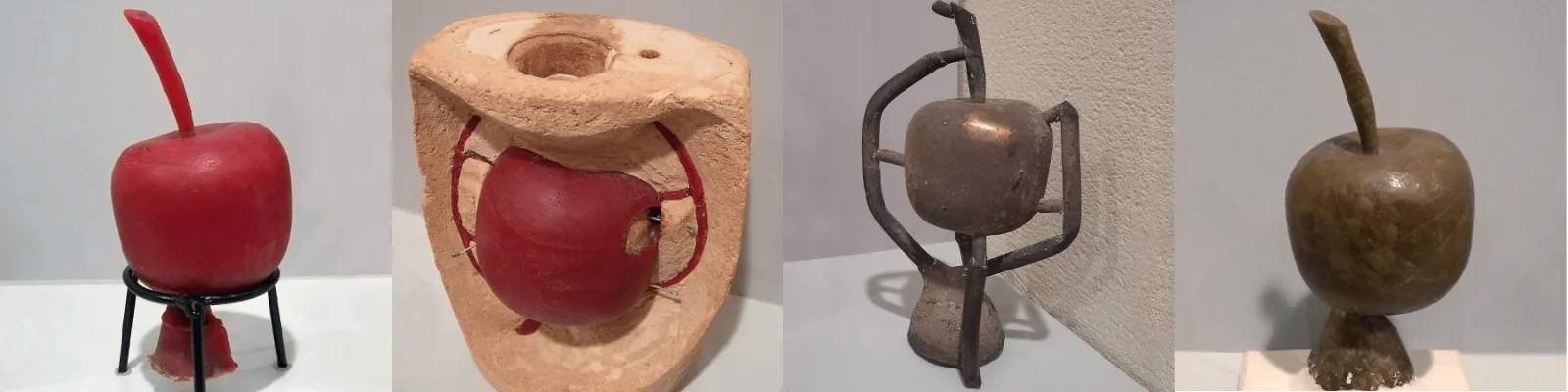
- Vulcanized Rubber Molds: Industrial vulcanization changed mass production in the 20th century. Molds could finally be reused. A jeweler clamped a solid metal master between sheets of uncured natural rubber, applied heavy hydraulic pressure under high heat, and cured a flexible mold capable of shooting thousands of identical wax injections.
Rubber vulcanization revolutionized production, but it kept large-scale bootlegging in check. Vulcanizers were expensive pieces of shop machinery, high press loads would crush fragile sheet metal, and natural rubber shrank 2% to 4% as it cooled, making direct copies of finished jewelry noticeably smaller and lighter than the original.
Then came the 1990s, and the chemistry changed completely.
The Catalyst: Liquid Silicone RTV
The arrival of Room Temperature Vulcanizing (RTV) liquid silicone turned casual trade copycatting into an outright epidemic.
RTV eliminated every physical hurdle that kept rogue copycats from cloning retail stock:
- Zero Shrinkage: Because cold-cure silicone cures at room temperature without heat, it doesn't shrink. Pouring liquid RTV over a finished piece of retail jewelry produced a mathematically identical 1:1 physical duplicate.
- Zero Machinery Required: No hydraulic vulcanizing press, no specialized heating units. A counterfeiter just mixed two liquids in a simple frame on a wooden workbench and let it sit overnight.
- No Damage to Masters: Heavy vulcanizing pressure instantly warps delicate, thin sheet metal. Cold liquid silicone flowed smoothly around delicate fabrications, thin sheet stock, and intricate settings without deforming them.
Overseas catalog suppliers - and plenty of domestic gift-trade operations out of Rhode Island and California - built entire business models around buying independent artists' finished pieces, pouring cold silicone over them, and centrifugal-casting cheap base-metal duplicates.
The Trade Industry Strikes Back: Legal Precedents
This wasn't just an annoying bench issue; it sparked legal chaos across the U.S. jewelry sector. Federal dockets throughout the 1990s filled up with copyright infringement suits targeting mold-cloning houses.
In Michael Anthony Jewelers, Inc. v. Peacock Jewelry, Inc. (1992), courts exposed how wholesale distributors regularly bought retail samples off store shelves, pressed them directly into rubber molds, and marketed identical cast knockoffs under house trade names. Federal judges issued orders to seize and destroy bootleg molds, but cold-cure RTV made setting up a rogue molding operation so effortless that enforcement became an endless game of whack-a-mole.
Wild Bryde Case Study: A Cloned Horse Necklace
A textbook example of 90s trade bootlegging crossed my radar recently on a secondary market listing for the Horse Circles Necklace. This isn't meant to call out the seller - who likely has no idea it's a fake - but rather to document what these pieces look like in the wild.
Authentic Wild Bryde relies on chemical photo-etching out of thin brass sheet, finished with planishing for those signature light-reflecting facets. The etching bath eats straight down through the brass, leaving crisp 90° edges and a flat, clean hand-stamped signature on the back in Wild Bryde's standard steel stamp font.
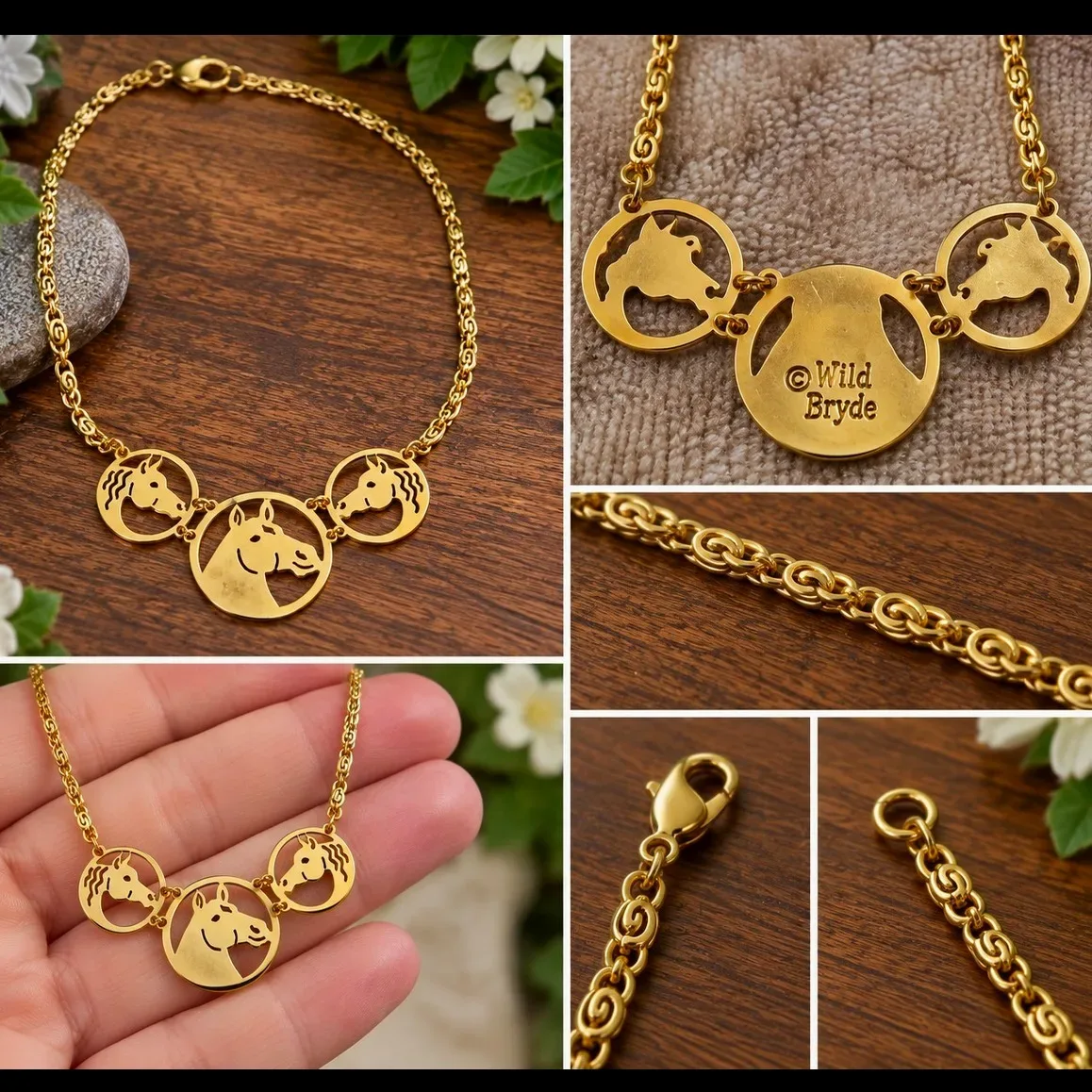
When a 90s knockoff house got hold of a real Horse Circles necklace, they skipped chemical etching entirely. They simply poured RTV silicone over the original assembly and spin-cast base-metal copies.
Spotting the Differences: Casting vs. Etching
- Melted Edge Geometry: Instead of clean, perpendicular etched cutouts, the cast clone has rounded, "mushy" borders where liquid silicone pooled along the edges.
- Wrong Thickness & Material Drag: Cast metal runs substantially thicker and heavier than light sheet brass, and the negative spaces on the back don't line up cleanly with the front geometry.
- Redrawn Hallmark: Slapping a rubber mold over a thin, hand-stamped backer plate destroys hallmark clarity. Rather than trying to clean up a distorted cast stamp, bootleggers often tried re-stamping or re-engraving the mold with generic lettering. The font on this clone doesn't match the studio's proprietary steel stamp set at all - the same stamp set Mike Warner's bench hands used even on private-label contract runs like the Disney line.
- Cheap Mimic Chains: The cast links were assembled onto inexpensive commercial chain selected to pass for the original link style on a display rack.
Modern Fakes
The underlying problem hasn't changed, only the tooling. Today, CAD/CAM surface scanners, 3D printing, and automated wax carvers let copycats digitize physical objects and output fresh casting waxes in hours.
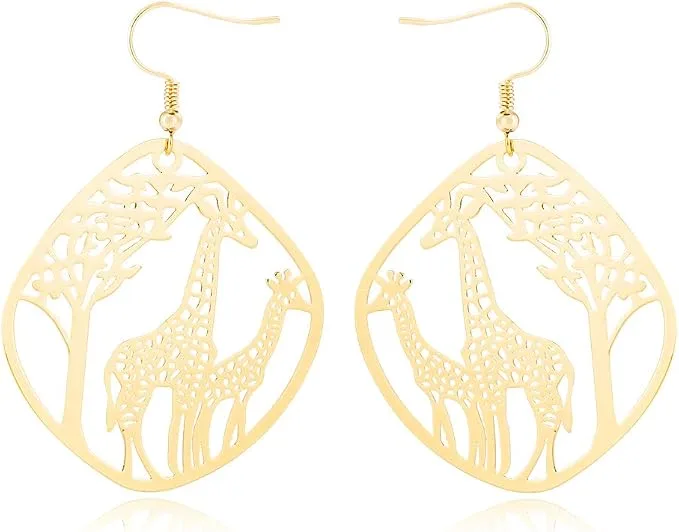
They can get remarkably close to the silhouette, but digital models still fail to capture true bench-made surface textures, planishing marks, and hand-struck die impressions.
While design theft is an age-old issue, the 1990s arrival of cold-cure RTV silicone remains one of the most drastic technical shifts in the history of counterfeit jewelry.
Why Documenting the Details Matters
These 90s mold clones are wild pieces of trade history, but they also show why tracking actual bench habits matters. Once you know how etched sheet metal behaves versus a centrifugal casting, telling an authentic piece from a 30-year-old knockoff takes only a second or two, especially with Wild Bryde's consistent design style!